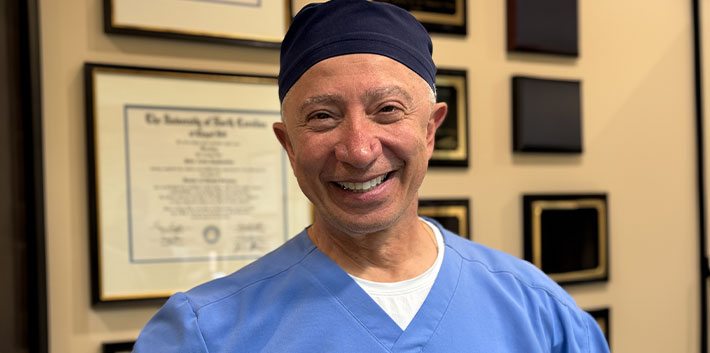
 Dr. Peter Tzendzalian, DDS
 Kristin Tzendzalian
 Giving Back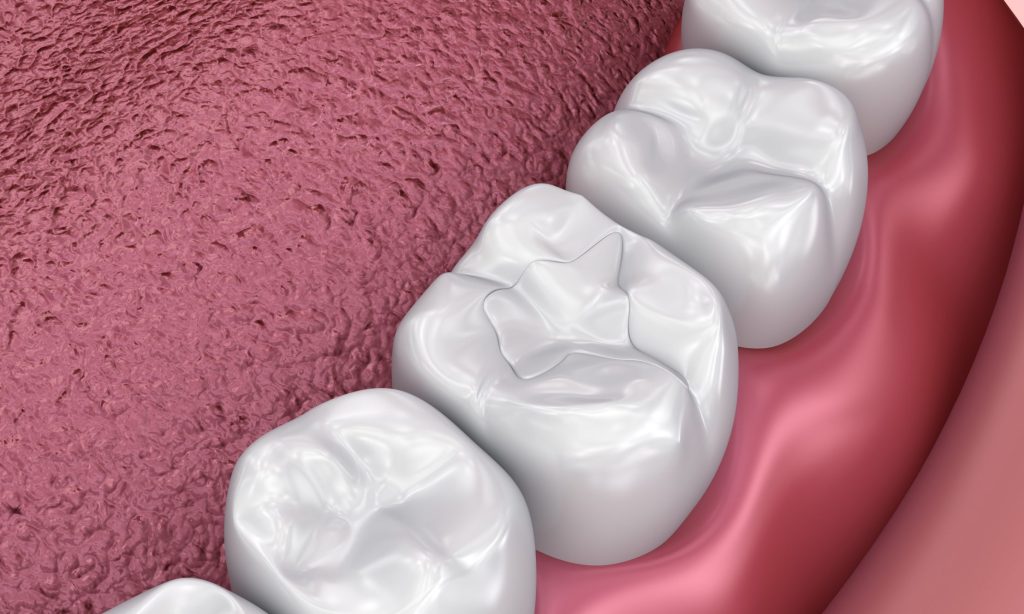
A filling can feel like the perfect fix. You come in with a sensitive spot, we remove the tooth decay, place a restorative material, and you get back to chewing comfortably again. For many people, that repair lasts for years and supports strong oral health with simple, steady dental care at home.
Over time, though, dental fillings can reach a point where they cannot protect the tooth the way you need. The filling material may wear down, a crack can form, or further decay can sneak in around the edges. When that happens, you deserve clear answers and calm guidance. At Aesthetic Oral Health in Durham, North Carolina, our team evaluates the full picture so your final restoration supports comfort, function, and a natural smile.
What a dental filling can (and cannot) do
A dental filling repairs a small to moderate area of damage in your natural teeth. After we remove the cavity, we replace the missing portion with one of several dental filling materials. Common types of fillings include composite resin, silver amalgam, gold, ceramic, and glass ionomer fillings. Each type has different benefits, and the best option depends on the location of your cavity, your bite, and how much healthy tooth enamel remains.
A filling works best when the tooth still has enough structure to hold the repair securely. When the extent of the decay is larger, or when a crack weakens the shape of the tooth, a filling can struggle under daily biting forces, especially in the back teeth. In those cases, an indirect restoration such as inlays, onlays, or a crown can provide longer-term support.
Signs your filling may be failing
Many patients assume they will clearly feel a failed filling right away. Sometimes you do, but changes can also be subtle, which makes regular checkups crucial for protecting your dental health. If you notice any of the issues below, it is a good time to schedule a visit with a dental professional.
Common signs include:
- Tooth sensitivity that lingers with cold, heat, or sweets
- Pain when chewing, especially on one side
- Rough edges that you can feel with your tongue
- A visible crack, dark line, or change around the cavity fillings
- Food packing between teeth or floss shredding near the permanent filling
These symptoms can point to wear, a fracture, or further decay under or around the restoration. They can also signal that the tooth needs a different approach, such as partial crowns or a full crown.
Why fillings wear out over time
Even excellent dental fillings face daily stress. You chew thousands of times a day, and strong chewing forces hit hardest on molars. If you clench or grind, pressure increases and can shorten the life of certain dental filling materials. Your good oral hygiene habits matter too, because plaque around a restoration can lead to new tooth decay at the edges.
Material choice also plays a role. Amalgam fillings can be long-lasting, yet they may expand and contract with temperature changes. Composite resin blends beautifully with your natural teeth and bonds to the tooth, but it can wear faster in heavy-bite areas. Glass ionomer can release fluoride and support dental health in certain situations, although it may not be ideal for high-pressure chewing surfaces. During your visit, we consider various materials and your goals so your treatment options fit your day-to-day life.
When is a filling no longer enough?
A filling is often the right choice when damage is limited and the tooth remains strong. A different plan is often the best way forward when the tooth needs reinforcement, coverage, or a more precise fit. Here are common situations where we may recommend stepping up from a basic filling.
If the cavity is large or deep, the tooth can flex while you chew, and that can lead to cracks around a standard filling. If a tooth has broken, the remaining structure may not support another simple repair. If there is repeated decay under an older restoration, replacing the filling alone may not provide the long-term seal you need. These scenarios call for a solution that protects the tooth’s walls and restores the tooth’s shape for stable chewing.
Is your tooth telling you it needs an onlay or crown?
If you feel new tooth sensitivity, notice rough edges, or see changes around old tooth fillings, your tooth may need a stronger restoration. An exam and digital imaging help us measure the extent of the decay and decide whether an indirect filling, onlay, or crown will protect the tooth and your bite long-term.
Inlays and onlays: supportive “indirect fillings” for moderate damage
When a tooth needs more coverage than a filling but does not need a full crown, we often consider inlays and onlays. These are types of indirect fillings that are made outside the mouth and then bonded to the tooth. You may hear them described as an indirect filling or types of indirect fillings, depending on how much of the tooth they cover.
An inlay typically fits within the chewing surface, between the cusps. An onlay extends over one or more cusps, which can help protect a weakened part of the tooth. Because these restorations are crafted to your tooth’s exact contours, they can restore the shape of the tooth with a strong, precise fit. Many patients like that an onlay can preserve more natural tooth structure than a full crown when the situation allows.
Dental crowns: long-term coverage when the tooth needs strength
A dental crown covers the entire visible portion of the tooth above the gums. Crowns are often recommended when a tooth is heavily filled, cracked, or structurally compromised, particularly in the back teeth where biting pressure is stronger. Crowns can also be part of a larger restorative dentistry plan that includes implant restoration, dental bridges, or implant-supported bridges.
At Aesthetic Oral Health, we also offer CEREC crowns as part of our dental technology options. Using digital imaging and modern tools, our team can design a crown with high precision. Advanced technology often means fewer steps and a smoother experience, while still focusing on comfort and results.
What about a temporary filling, root canal, or extraction?
Sometimes a short-term repair is needed to calm a tooth down and protect it until the next step. A temporary filling may be placed if a tooth is irritated, if you need to stabilize an area before a final restoration, or as part of an emergency visit. We will explain the timeline clearly so you know what to expect.
If decay reaches the inner nerve of the tooth, a root canal procedure may be recommended. Root canal treatment removes infected tissue, relieves pain, and allows you to keep the tooth. After a root canal, many teeth benefit from a crown to prevent fractures, especially molars. In more severe cases, extraction can be the healthiest option, followed by replacement with dental implants or other restorative choices that support chewing and dental health.
How we decide the best restoration for you
Choosing between different types of fillings, a crown, or an onlay comes down to the details of your tooth and your goals. During your visit, we look at the bite, the condition of the tooth enamel, the size and location of your cavity, and the health of surrounding teeth and gums. We also consider comfort, appearance, and durability so the final plan supports both function and aesthetics.
Your appointment typically includes an exam, diagnostic images, and a conversation about your preferences. We will discuss dental treatment choices in clear language, including the pros and cons of composite resin, ceramic, gold, and other dental filling materials. If local anesthesia is needed, we will talk you through it step by step so you feel prepared.
Protecting your restorations with daily habits and regular visits
Long-lasting results come from good planning and good maintenance. At home, brush twice daily with fluoride toothpaste, floss every day, and let us know if you grind your teeth so we can discuss a nightguard. In the office, regular checkups allow us to monitor older restorations, spot early changes, and help you avoid extensive treatment when a small adjustment could solve the issue.
Many patients also ask about insurance coverage for restorative work. Coverage varies by dental insurance plans, so we encourage you to bring your information and questions. Our team can help you understand how benefits may apply to dental services like crowns or replacements for old restorations.
Schedule a restorative evaluation in Durham, NC
If you have an older dental filling, new tooth sensitivity, or a tooth that keeps breaking down, you do not have to guess what comes next. At Aesthetic Oral Health, we provide restorative dentistry that protects your oral health and supports a confident, natural smile. Call our office or request an appointment to have your fillings evaluated and explore the best next-step solution for your tooth.