 Dr. Peter Tzendzalian, DDS
 Kristin Tzendzalian
 Giving Back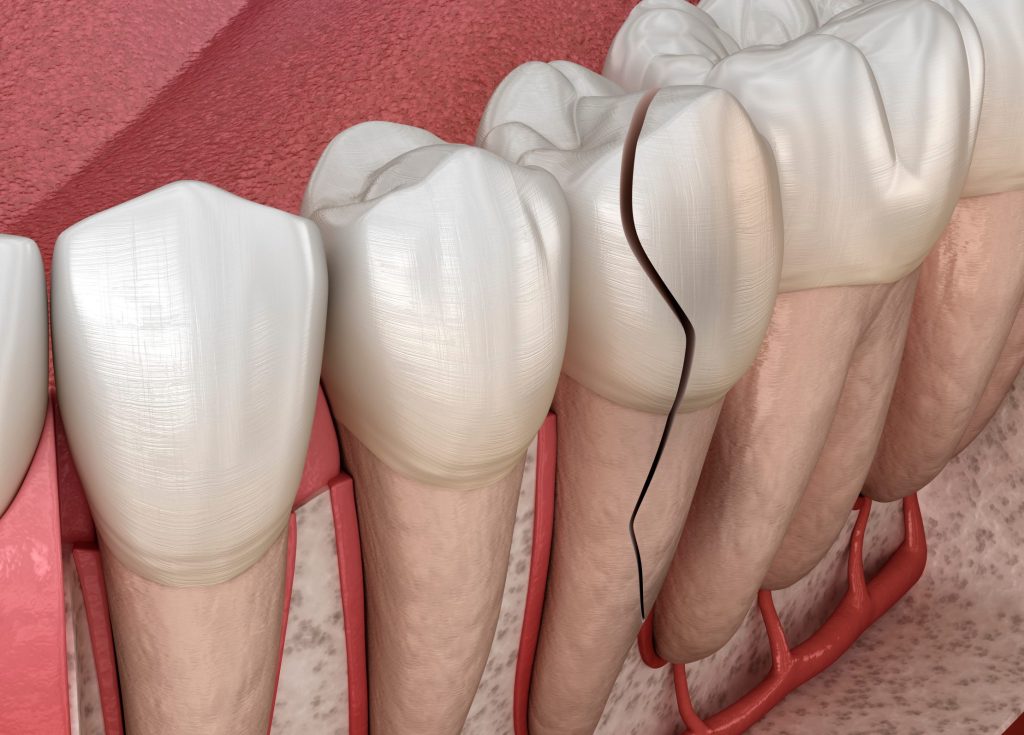
Winter brings festive foods, chilly air, and busy schedules. It also brings more cracked teeth. A chip may seem minor in the mirror, yet a hidden split can threaten the long-term health of a tooth. If you think you have a cracked tooth, our team at Aesthetic Oral Health in Durham is here to help with calm guidance and same-day solutions.
Common causes include hard foods like nuts and brittle candies, contact sports, and extreme temperatures from hot drinks followed by cold foods. Food particles can wedge into fracture lines and irritate the area. Early diagnosis protects your oral health and helps prevent further damage.
What causes cracked teeth in winter?
Cold temperatures can make tooth enamel contract, especially if you shift from hot cocoa to ice water. That stress can create tooth cracks. Hard foods during the holidays and increased contact sports also play a role. Tooth decay or older fillings can weaken tooth structure, raising the risk of a fractured tooth.
Is a cracked tooth an emergency?
Some cracks are cosmetic. Others require an emergency dentist. Seek professional help quickly if you feel sharp pain when chewing, sudden temperature pain, pain near the gum line, swelling, or if a piece of the tooth breaks off. Prompt diagnosis supports early intervention and successful treatment.
Understanding cracked tooth syndrome and fracture types
Cracked tooth syndrome describes tooth pain that comes and goes when you chew or experience temperature changes. The fracture plane may be difficult to see, and symptoms vary. Small cracks on the outer tooth structure may be stable, while deeper fractures reaching the dental pulp can cause severe pain.
A vertical root fracture begins at the root and can lead to bone loss or serious complications if untreated. Cracks commonly occur in mandibular molars and maxillary premolars due to heavy chewing forces. The severity and location of the crack inform your treatment plan.
How we diagnose the affected tooth
We begin by listening to your symptoms. Our dentists perform gentle bite tests and use diagnostic tools to locate fracture lines. Early detection helps save your natural tooth. Cone beam imaging may be used to evaluate the root and surrounding tissues, and specialized lighting can help trace cracks. Thorough evaluation supports a treatment plan tailored to your needs.
Our team focuses on comfort and clarity at every step. We explain what we see and why it matters for function and aesthetics. If you experience anxiety, we offer options to help you feel relaxed during your visit.
Treatment options that protect your natural tooth
We personalize your treatment based on the severity of the crack and the part of the tooth involved.
Bonding for minor cracks: Composite bonding smooths rough edges and protects sensitive spots.
Porcelain restorations: For more involved cracks, porcelain restorations offer durable, natural-looking coverage.
Dental crowns: A crown surrounds and strengthens the tooth. With CEREC technology, we design, mill, and place a custom crown in one visit.
Root canal therapy: If the dental pulp is inflamed or infected, root canal treatment can relieve pain and protect the tooth. This prevents reinfection and supports long-term stability.
Tooth extraction as a last resort: If a crack is non-restorable, such as a vertical root fracture, extraction may be the healthiest choice. We review restorative options to protect your bite and prevent bone loss.
When to call for emergency treatment
Call us right away if you feel severe pain, sensitivity to extreme temperatures, pain after releasing pressure, or if part of your tooth breaks. Seek care if a crack reaches the gum line or if swelling develops. Timely intervention reduces complications and supports successful outcomes.
Home care until your visit
Rinse with warm salt water. Avoid chewing on the affected side. Skip hard or cold foods that trigger sensitivity. Keep the area clean with soft brushing and flossing. Over-the-counter pain relief can help manage discomfort until your appointment.
Why early intervention matters
Early diagnosis protects your oral health and your smile’s appearance. Delays allow bacteria to reach deeper tooth layers and may lead to pulp inflammation or irreversible damage. Early treatment preserves the periodontal ligament, stabilizes the tooth, and supports better long-term results.
What happens during your restorative visit
Our Durham team creates a calm, structured visit. We review your symptoms, perform bite tests, and explain findings clearly. We present treatment options that fit your goals. If a crown is recommended, CEREC technology allows placement in one appointment. If a root canal is needed, we treat the infection and protect the tooth before restoring it with a crown.
Protecting your smile going forward
We help you maintain results with daily dental care and protective habits. Wear an athletic mouthguard for sports. Use a nightguard if you clench or grind. Avoid chewing ice or very hard foods. Keep regular dental hygiene visits so we can monitor small cracks early. Prevention supports long-term strength and comfort.
Your partners for comfort, function, and aesthetics
At Aesthetic Oral Health, your comfort is as important as your results. We pair Restorative Dentistry with Cosmetic Dentistry to protect function and support a bright, confident smile. Our emergency team works gently and efficiently, and our modern tools help us deliver precise care. From bonding to CEREC crowns and root canal therapy, we tailor solutions to your needs.
If you notice a line on a tooth, a change in bite, or new sensitivity, reach out. A small concern can grow without prompt care. We believe everyone deserves a smile they feel proud to share, and we are here to help you feel comfortable and confident again.
Contact Aesthetic Oral Health in Durham to schedule an emergency visit or a gentle evaluation. We will create a plan that protects your natural tooth, restores your bite, and keeps your smile looking its best.