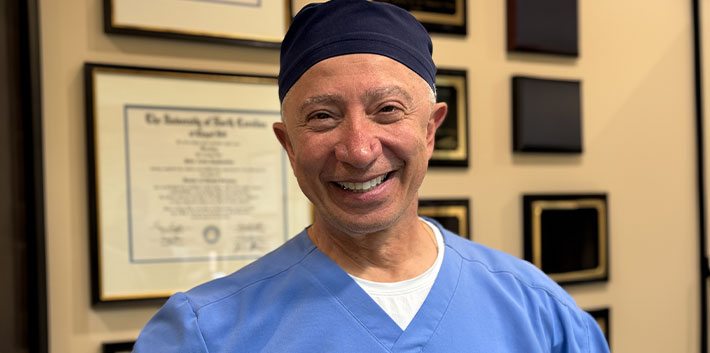
 Dr. Peter Tzendzalian, DDS
 Kristin Tzendzalian
 Giving Back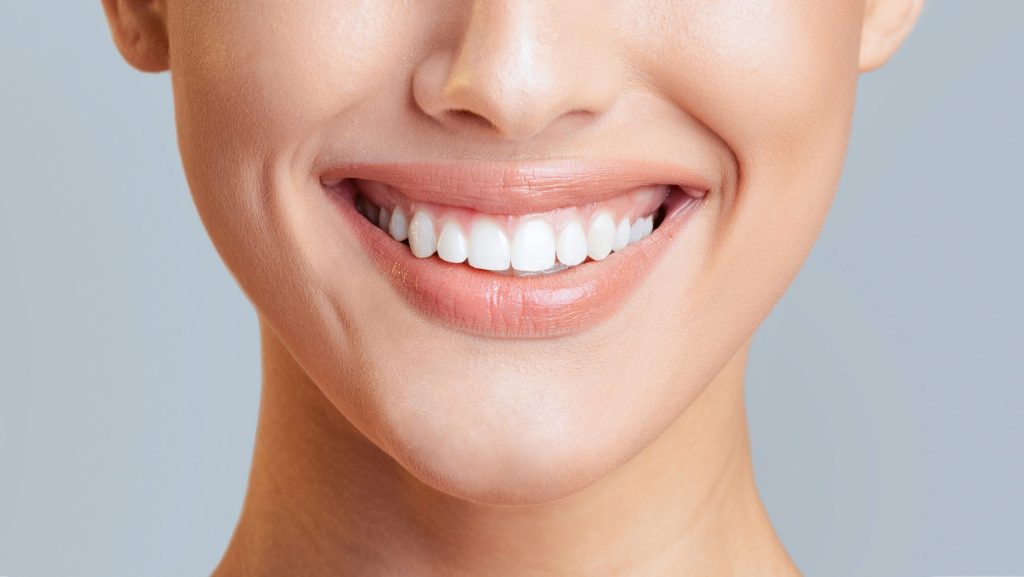
A brighter smile can boost your confidence in photos, meetings, and daily interactions. However, many hesitate to whiten their teeth due to concerns about sensitivity. You deserve clear answers and a plan that prioritizes your comfort and oral health.
At Aesthetic Oral Health in Durham, NC, we approach Teeth Whitening with a patient-first mindset. We focus on your oral health, natural teeth, and whitening goals to ensure a safe and manageable treatment that fits your needs.
Why does tooth sensitivity happen after whitening?
Whitening works by using a bleaching agent to lift discoloration from the enamel. Many products use hydrogen peroxide or carbamide peroxide, which can temporarily increase sensitivity, especially if your enamel is already stressed by wear, gum recession, or irritation.
Sensitivity often feels like a quick zing when exposed to cold air or drinks. For most, it improves as teeth rehydrate and enamel settles. Our team helps minimize side effects by selecting the right whitening method and duration for your teeth, ensuring a comfortable experience.
Common causes of sensitivity
Sensitivity isn’t always caused solely by whitening gel. It often stems from pre-existing conditions that need attention first, especially if you already have sensitive teeth. Common factors include:
- Thin or worn enamel from grinding, acidic drinks, or aggressive brushing
- Gum irritation or gum disease exposing sensitive root areas
- Tooth decay, cracks, or leaking fillings allowing stimuli to reach inner teeth
- Recent changes in dental hygiene causing inflammation
- Overuse of whitening products like strips or kits with frequent touch-ups
By identifying the cause, we can personalize your plan for better comfort and results. Addressing these underlying issues first often leads to a more effective and enjoyable whitening process.
Store-bought whitening vs. professional whitening
Over-the-counter whitening products like strips, pens, and LED kits may seem convenient but often involve guesswork. These one-size-fits-all solutions can allow gel to contact gums, causing irritation. Some encourage repeated applications with higher bleaching concentrations, increasing sensitivity risks.
Professional whitening prioritizes customization and safety. Our dental professionals evaluate your oral health, check for enamel erosion or decay, and recommend the best approach for your teeth and sensitivity history. This tailored approach ensures that your whitening treatment is both effective and comfortable, reducing the likelihood of adverse effects.
Key ingredients: hydrogen peroxide and carbamide peroxide
Hydrogen peroxide and carbamide peroxide are common whitening agents that break down stain molecules on and within enamel. Concentration levels matter—higher concentrations work faster but may increase side effects. Marketing often highlights strength, but comfort and results depend on your enamel, gumline, and tray fit.
Our goal is effective, comfortable results. We tailor treatments to your teeth, sensitivity, and schedule rather than rushing the process. This ensures that your whitening experience is as safe and pleasant as possible while delivering the bright smile you desire.
How we ensure comfortable whitening at Aesthetic Oral Health
Comfort starts with listening. By understanding your past reactions, we can plan accordingly. We also assess the shade and pattern of discoloration to set realistic expectations and ensure you feel confident about the process.
Your plan may include:
- Professional whitening with guidance on timing and sensitivity management
- Custom trays to keep gel off your gums and ensure even application
- Recommendations for a gentle oral hygiene routine before and during whitening
- Addressing existing dental concerns to prevent aggravation
If you have restorations, we’ll discuss how whitening interacts with crowns or porcelain restorations. Whitening agents change natural teeth but not porcelain, so planning ensures a cohesive, brighter smile. This step is especially important for patients with mixed dental work, as it helps avoid mismatched shades.
Preventing sensitivity before whitening
You can reduce sensitivity risks with smart preparation and professional supervision. Focus on these habits:
- Maintain regular dental hygiene visits and daily care to keep your mouth healthy.
- Use a soft toothbrush and gentle technique to protect enamel from unnecessary wear.
- Avoid stacking whitening treatments too close together to give your teeth time to recover.
- Share any history of sensitivity, gum irritation, or clenching with us so we can adjust your plan.
Some patients inquire about home remedies like oil pulling or using baking soda, apple cider vinegar, or malic acid. These can irritate tissues or erode enamel if overused. For safe whitening, we recommend professional guidance and ADA-approved products that are designed to protect your teeth and gums.
What to avoid during whitening
During whitening, teeth may be temporarily more reactive. Avoiding certain triggers can reduce discomfort and protect results:
- Very cold foods and drinks if they cause sensitivity
- Acidic items like apple cider vinegar that stress enamel
- Dark pigments like coffee, tea, and red wine that can re-stain teeth
- Overusing or combining whitening products, which can lead to irritation
These restrictions are temporary. A little planning helps maintain your whiter smile while keeping your mouth comfortable. Once your whitening treatment is complete, you can gradually return to your normal habits while enjoying your brighter teeth.
LED light, ultraviolet light, and quick-fix claims
Some whitening kits include LED or ultraviolet lights. While light-based tools can enhance certain systems, comfort and safety depend on the gel, fit, and usage duration. Fast whitening promises often push longer wear times or repeated applications, increasing sensitivity and irritation risks. We guide you toward a schedule that balances results and comfort, ensuring your teeth are not overexposed to bleaching agents.
Whitening with fillings, crowns, or restorations
If you have fillings, crowns, or porcelain restorations, whitening requires a plan. Bleaching changes the shade of natural teeth but not restorations, which can create noticeable differences. We help coordinate cosmetic and restorative dentistry to ensure a cohesive smile. This may involve whitening before placing restorations or adjusting them afterward to match your new shade.
For patients with extensive dental work, we take extra care to ensure that your whitening results blend seamlessly with your existing restorations. This attention to detail helps you achieve a natural-looking, brighter smile.
When to pause and call us
Mild sensitivity is common, but sharp pain, swelling, persistent gum irritation, or lingering sensitivity may indicate underlying issues like decay, cracks, or gum disease. If you experience these symptoms, contact us. We’ll evaluate the problem and adjust your treatment to keep you supported.
Our team is here to ensure your whitening experience is safe and effective. Never hesitate to reach out if you have concerns or questions during the process.
Ready for a brighter smile without worry?
At Aesthetic Oral Health in Durham, we offer professional whitening treatments, personalized guidance, and advanced dental technology to help you achieve a confident, brighter smile. If you’ve been avoiding whitening due to sensitivity concerns, schedule a visit with our team. We’ll review your options, address any restorations, and create a plan tailored to your comfort and goals.
With the right approach, you can enjoy a whiter smile without the worry of discomfort. Let us help you take the first step toward a brighter, more confident you.